


The Killer Review – 'A riveting revenge riot' – Empire
A killer-for-hire (Michael Fassbender) lives his life within the shadows. When a job goes fallacious, he’s pressured to take revenge on his employers, one after the other.
David Fincher is again on acquainted terrain. His final movie, 2020’s Mank, felt like an uncommon left-turn: a deeply private interval ardour undertaking, co-written along with his late father, it was as sweepingly romantic because it was slyly cynical — however, with such a slender focus and such area of interest preoccupations, it held much less mainstream attraction than his normal fare. With The Killer (tailored from the French graphic novel Le Tueur, by author Matz and artist Luc Jacamon), the director returns to the sort of materials that cemented his standing as one among Hollywood’s most singular, incisive, ingenious style filmmakers: bringing his distinctive creative rigour to acquainted blockbuster parts.
It’s thrilling to see him again within the thriller world. A sweatily suspenseful opening sequence (the movie contains six chapters, plus prologue and epilogue; even the construction is neat) establishes the universe with ferocious readability. As that prosaic title suggests, our focus is sort of solely on one murderer, a hitman-for-hire by no means named, and performed with unblinking, icy depth by Michael Fassbender — his first display position in 4 years. Once we meet him, he’s within the midst of a job: to take out a rich goal in a luxurious Paris resort.
Via Fassbender’s coolly delivered, dry-as-dust voiceover, which falls someplace between first-person novelistic narration and the character’s personal inside monologue, we study slightly of what it takes to do what he does. He’s pure effectivity, methodical to the nth diploma; each situation gamed, each consequence foreseen. He practises yoga and repeats meditative mantras (“Keep on with the plan… Weak spot is vulnerability”), which might sound like new-agey company motivation strategies, in the event that they weren’t in service of homicide. He listens to The Smiths to sluggish his resting coronary heart fee, Morrissey’s morose warbling penetrating the movie’s soundtrack all through (and now, hilariously, endlessly related to sociopaths). He’s, briefly, a well-oiled machine.
It’s pure pleasure to luxuriate in imagery made with such apparent, deliberate care.
After which… one thing goes fallacious. His Parisian hit — a easy “Annie Oakley” job, as The Killer places it — goes awry, seemingly right down to a really human distraction, sowing the primary shred of doubt that this chilly, heartless man is as robotically indifferent as he claims. It units in movement a collection of occasions that sees his stock- in-trade violence seep into his non-public life, initiating a jet-setting revenge yarn that remembers the whole lot from Demise Want to Kill Invoice.
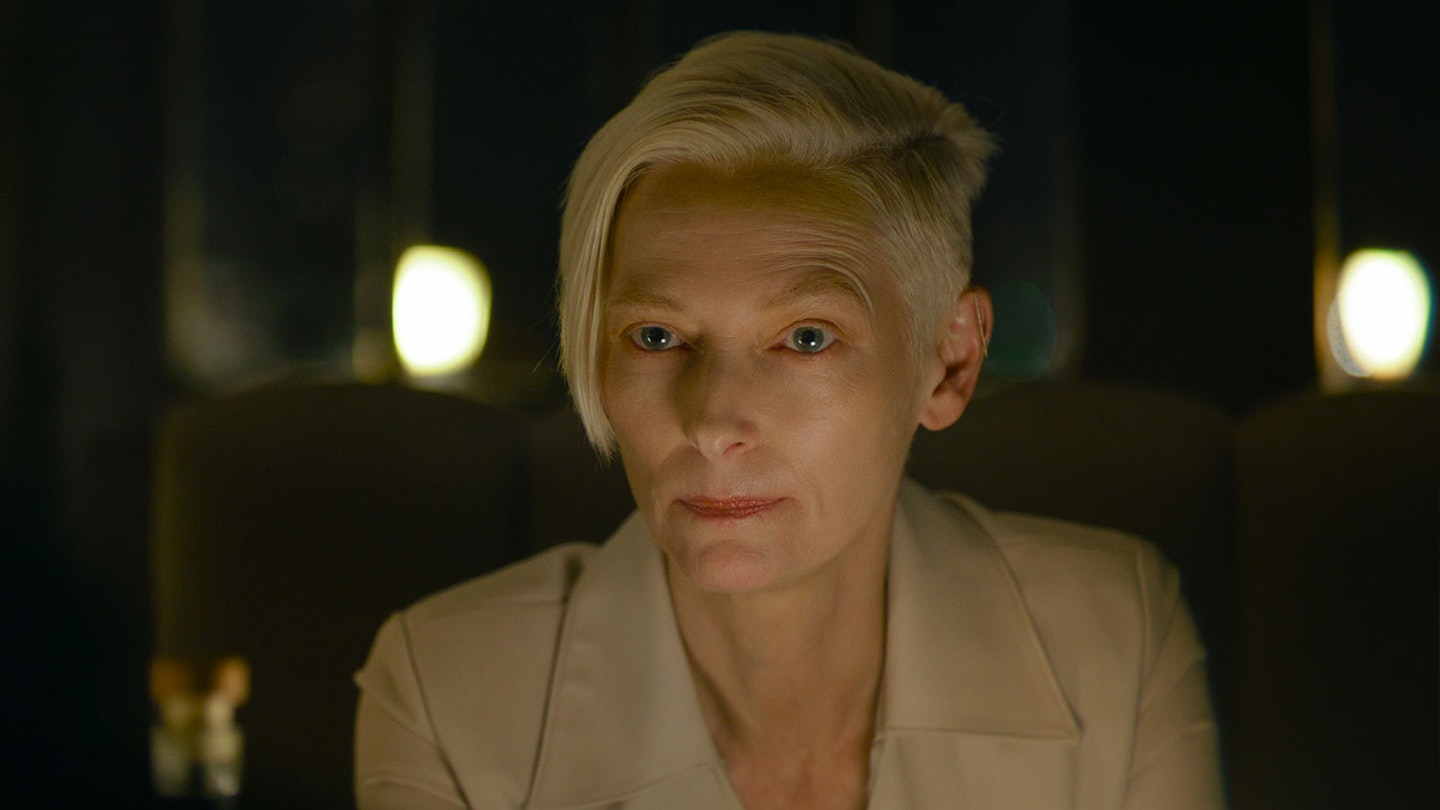
Although nothing fairly matches that opening salvo for pure cut-glass rigidity, some brilliantly staged sequences quickly comply with. Explicit shout-outs should go to a staggeringly well- choreographed combat with one other man recognized solely as ‘The Brute’, performed by Sala Baker (aka Sauron from Peter Jackson’s The Lord Of The Rings), which may jostle John Wick: Chapter 4 for finest combat scene of the 12 months; and a extra cerebral stand-off with a fellow murderer, performed with typical intrigue by Tilda Swinton.
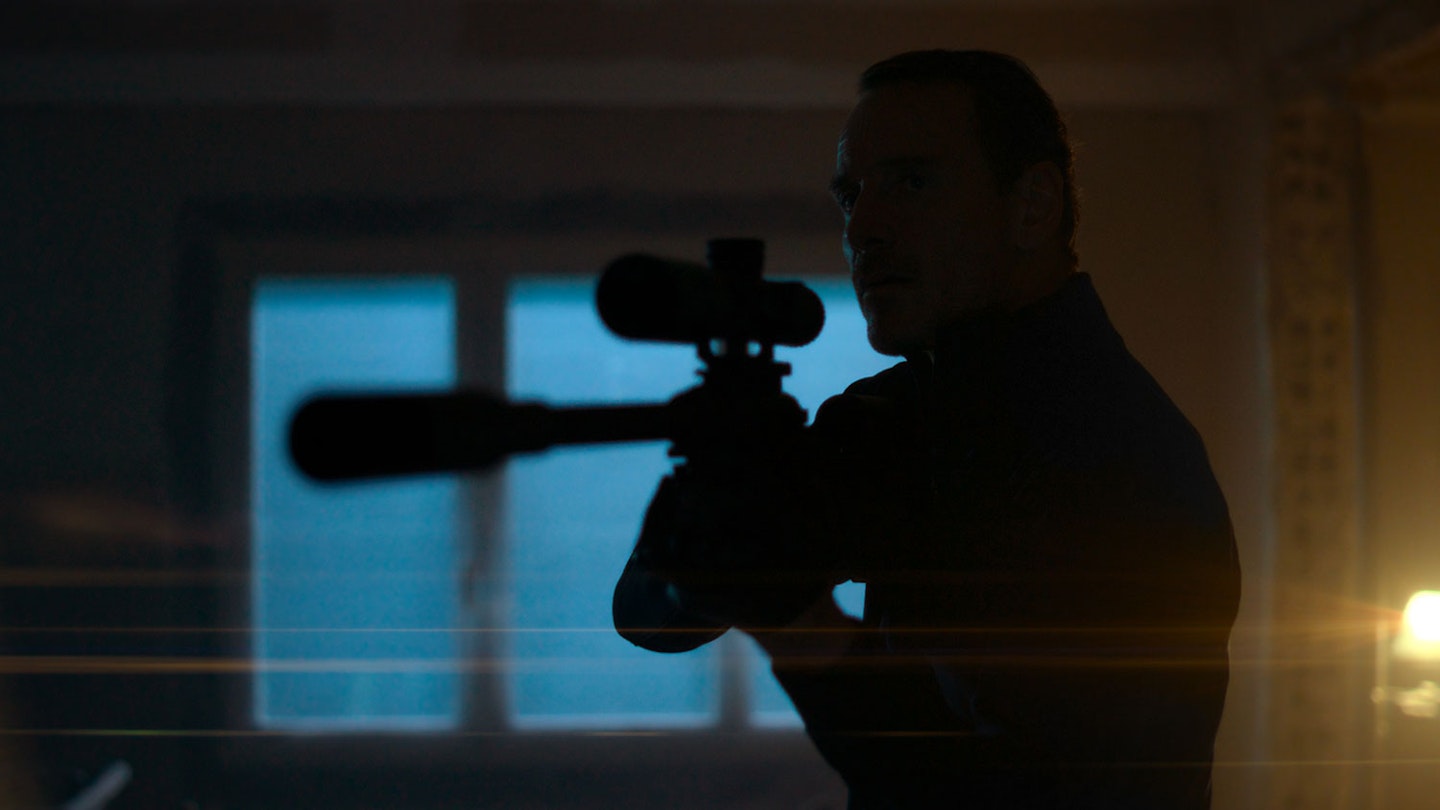
All through all of it, as you may nicely count on, Fincher’s filmmaking is immaculate. It’s pure pleasure to luxuriate in imagery made with such apparent, deliberate care. You are feeling his exact framing, his cautious composition, his infamous a number of takes. It appears, too, like Fincher is drawing on his previous strengths: you possibly can recognise the affected person procedural plotting of Seven or Zodiac, the nihilistic themes and sardonic narration of Struggle Membership, the ruthless, unsettling violence of The Lady With The Dragon Tattoo, the outlandish ethical relativism of Gone Lady.
However what does all of it quantity to? To the very finish, The Killer stays one thing of a cipher, a clean canvas of a human. We’re welcomed inside the pinnacle of this unthinkable perspective, with out ever actually studying the whys or the wherefores. Is Fincher pondering the soul-cost that such a vocation may convey, a theme even the newest Bond movies have toyed with? Is it one other offended screed on capitalism and masculinity? Ought to we even draw parallels between The Killer’s diligent strategy to work and Fincher’s personal fastidiousness (a lazy comparability, maybe, however one the director appears to ask)? Or ought to we simply take all of it at face worth — merely a slickly made style train, sufficient by itself deserves?
After such a powerful build-up, the movie’s final arm’s-length aloofness may really feel irritating, particularly in its muted finale. Fora director who crafted two of the very best endings in cinema historical past (Struggle Membership and Seven), The Killer’s climax, finally, proves to be curiously anticlimactic. David Fincher is unarguably a grasp filmmaker, so with each new movie of his, pretty or not, you count on a masterpiece. The Killer doesn’t fairly attain that stage — however even then, most filmmakers would kill to make one thing this good.
A riveting revenge riot, with gobsmacking ranges of movie craft, and a efficiency from Michael Fassbender to make your blood run chilly. It’s not fairly top-tier Fincher, however it comes rattling shut.
Adblock take a look at (Why?)